How to Charge an eBike: A Guide for Colorado Battery Care
Ride Colorado
Cold air at the trailhead and a long climb ahead can teach you about battery care fast. In the Rockies, your battery is your partner on steep canyon roads and high country routes where elevation gain arrives early. Colorado riding asks more from a lithium-ion battery than a flat cruise, so a few smart habits will keep your equipment ready for the next mountain adventure.
The 20-80% Rule for Longevity
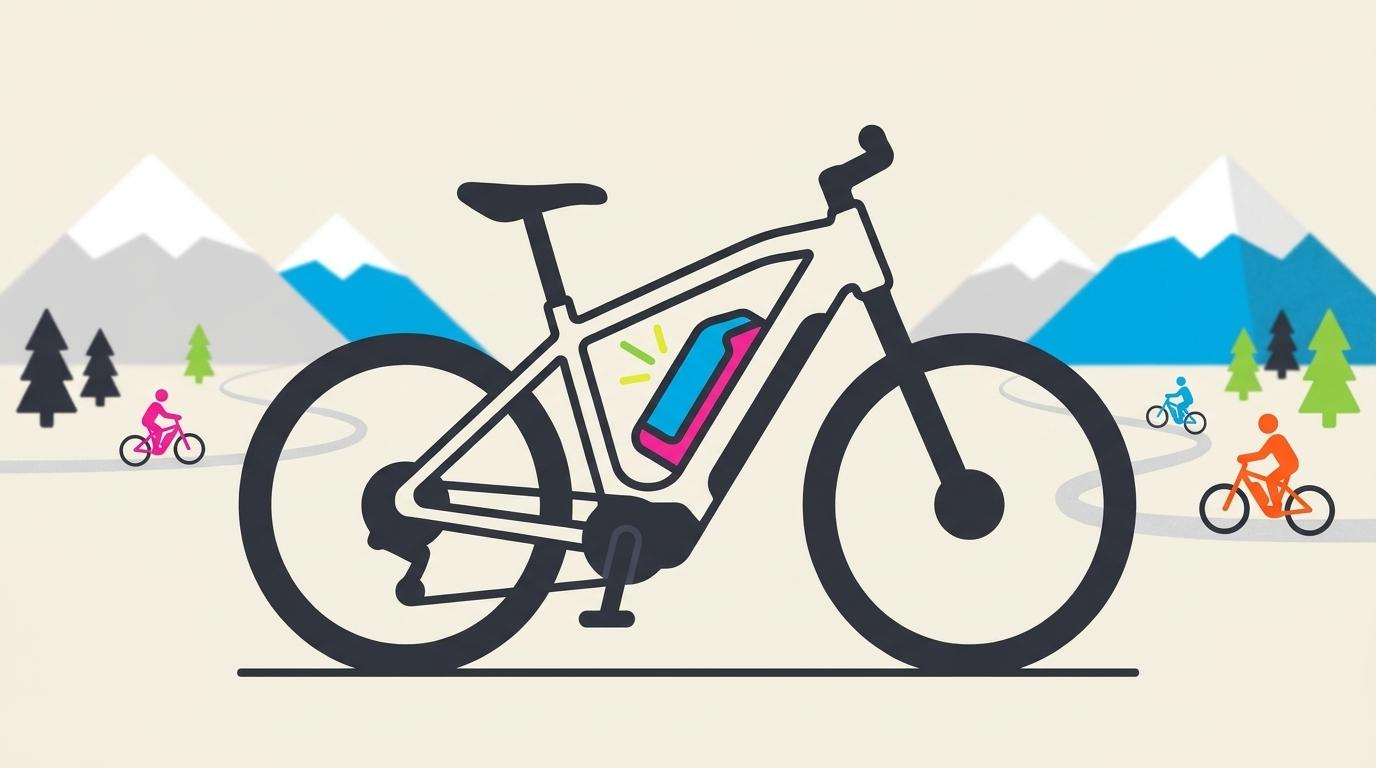
One of the best habits you can build is the 20-80% rule. For day-to-day riding, try to keep your battery between 20% and 80% charge instead of topping it off to 100% after every trip. Most batteries last longer when they spend less time sitting at either extreme of their capacity.
If you are planning a longer day with bigger climbing, like the elevation changes found on a tour of Boulder, charging closer to full makes sense. The key is matching the charge to the specific ride instead of defaulting to a full charge every single night. You should also avoid deep discharge, which means draining the battery very low before plugging it in.
Managing Cold and Heat in the Mountains
Never charge a frozen or very cold battery. If you finish a winter ride and your battery has been sitting in near-freezing air, bring it indoors and let it warm up before plugging it in. Charging a battery that is still too cold can cause permanent internal damage that reduces capacity and long-term reliability.
Wait until the battery is above 50°F, which usually means letting it acclimate inside for one to two hours. You will notice this risk most often after rides on winter mornings along the Front Range or shaded canyon routes. A little patience indoors is always better than an expensive replacement.
| Season | Battery Care Priority | Storage Tip |
|---|---|---|
| Winter | Warming before charging | Store indoors at 50°F+ |
| Spring | Moisture protection | Wipe down contacts after rain |
| Summer | Heat management | Avoid direct sun in parked cars |
| Fall | Range monitoring | Plan for shorter days/colder air |
Handling Rapid Drain During Climbs
Colorado climbs are beautiful, but they are not gentle on batteries. Higher elevation often means steeper grades, thinner air, and longer sustained effort for the motor. A battery gauge that looked comfortable at the start of a ride can drop quickly once the steep climbing begins.
Start by using assist levels thoughtfully. If the route begins flat, ride in a lower assist mode and save the stronger boost for the steep sections. You can also pedal smoothly and shift into easier gears early to help the motor work more efficiently.
Transport and Professional Service
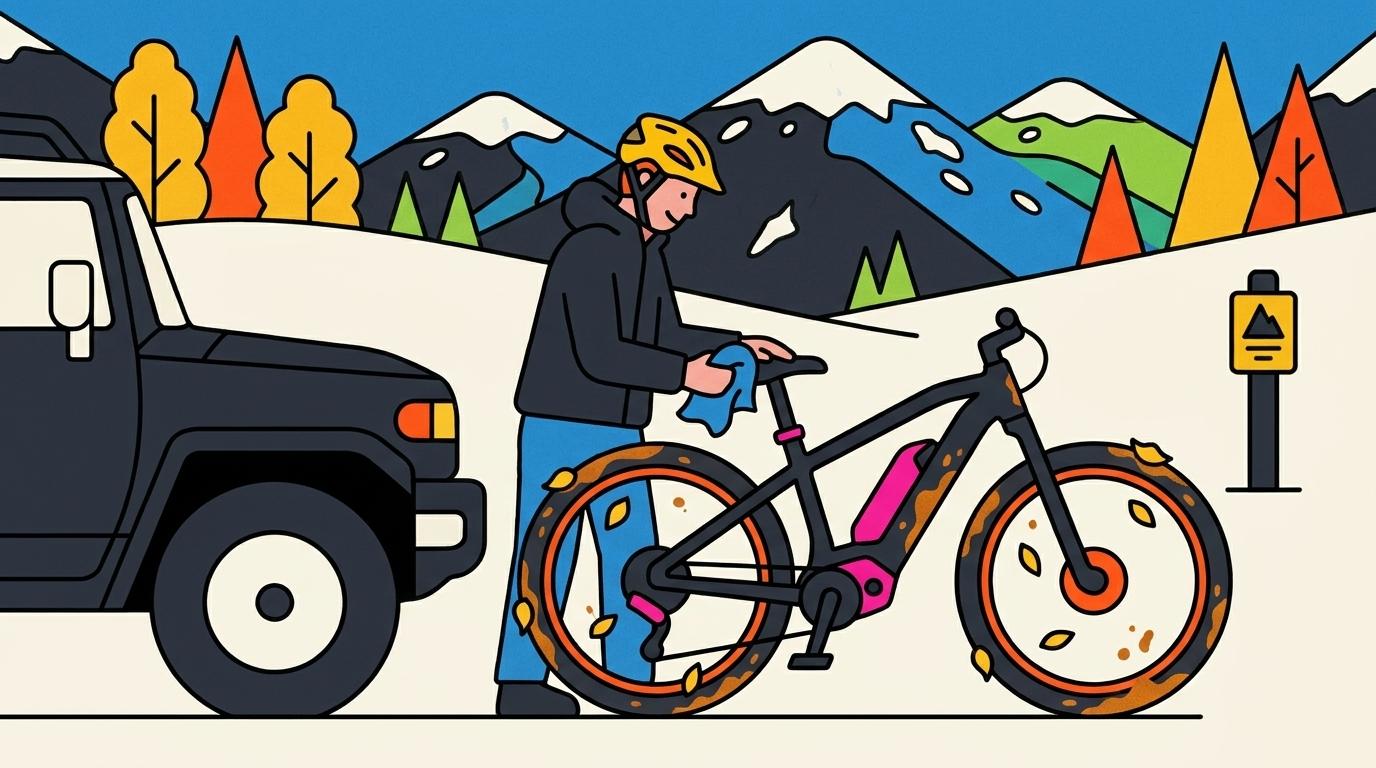
If you are driving to a trailhead, remove the battery before transport whenever your rack setup allows it. This lowers the weight on the rack and protects the battery from road grit, rain, and sudden temperature swings. Store the battery inside the vehicle cabin instead of leaving it exposed on the back bumper.
If your range drops sharply without a clear reason or the battery casing looks damaged after a fall, seek professional help. Local shops can inspect battery contacts, mounting hardware, and firmware. It is a small step that prevents bigger issues before your next foothill climb or mountain weekend.
Frequently Asked Questions
Should I charge my eBike battery after every ride?
Charge based on your next planned ride rather than automatically after every outing. If the battery is still comfortably above 20% and you are only going for a short spin, you may not need a full recharge.
How long should I wait to charge after a cold ride?
Let the battery warm indoors for one to two hours until it reaches at least 50°F. Charging a frozen battery can cause permanent internal damage called lithium plating.
Can I leave the battery on the bike while driving to a trailhead?
You usually can, but removing it is highly recommended. It reduces the weight on your vehicle rack and protects the sensitive electronics from moisture, grit, and extreme wind chill.